Ready to learn more about bats? We’ve got you covered. Read up and come back later for more.
Bats can live up to 41 years in the wild, the equivalent of a human living to be 100.
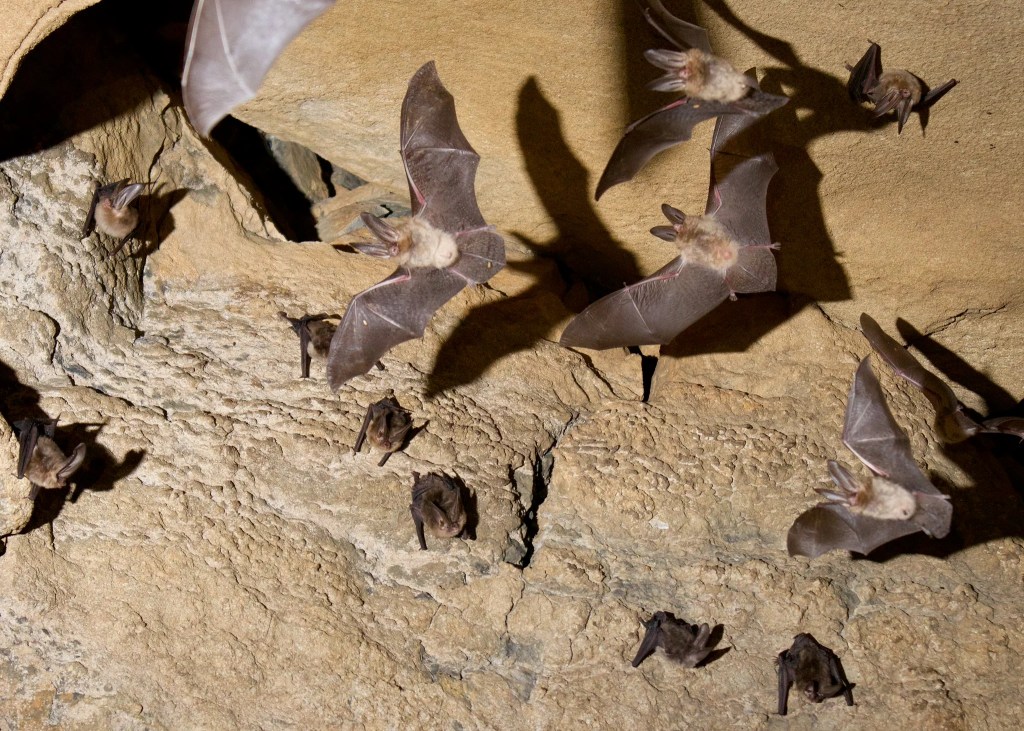
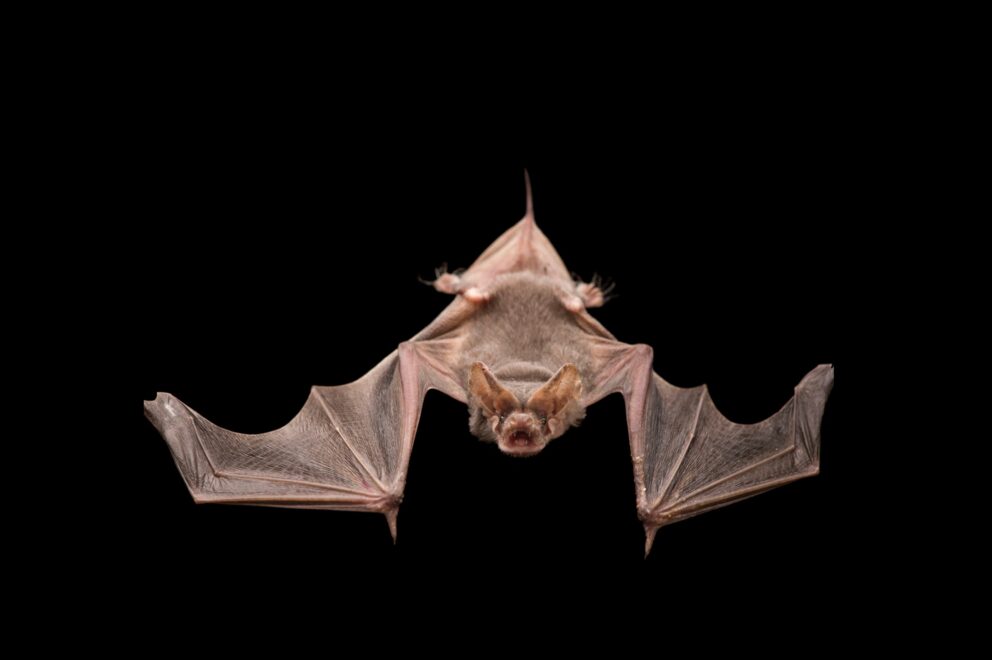
The fastest bat in the world is the Mexican Free-tailed Bat, which can fly speeds up to 100 mph!
On November 30th, the San Diego Humane Society released a rehabilitated hoary bat, the first of its kind in Southern California to be equipped with a specific tracking transmitter.
The adult male bat was rescued during a recent storm in North County on Nov. 14, according to SDHS.
After resting at the humane society’s Bahde Wildlife Center, the bat regained full health and animal experts determined he was ready to be released back into the wild.
Source: https://fox5sandiego.com/news/local-news/hoary-bat-released-in-socal/
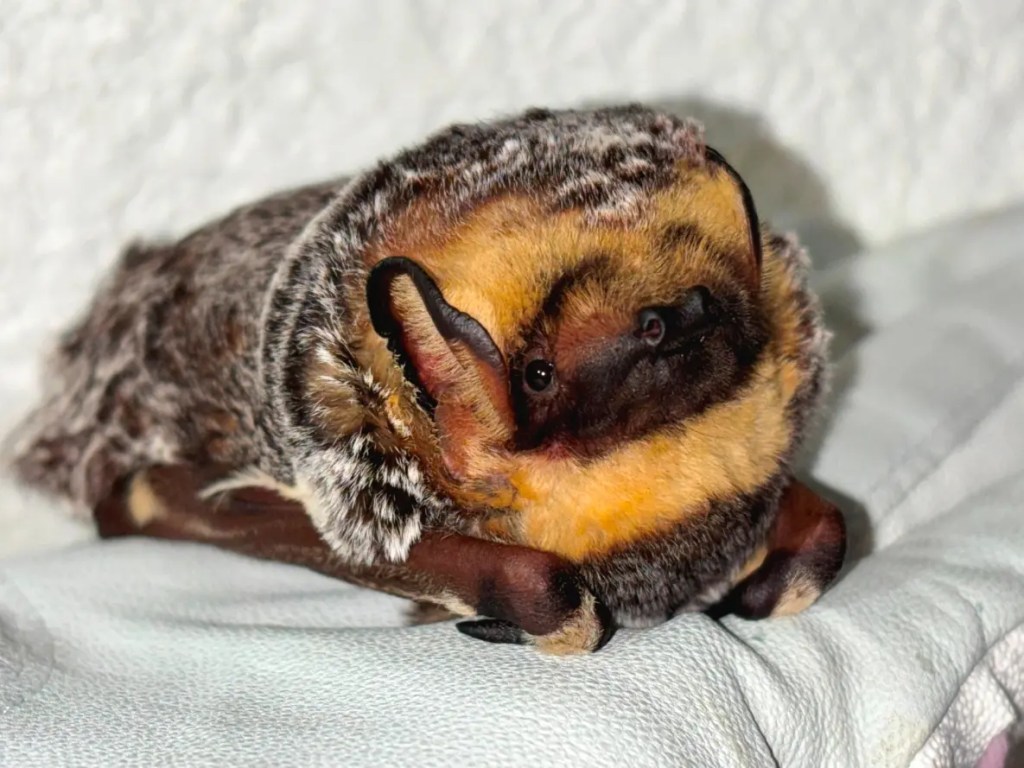
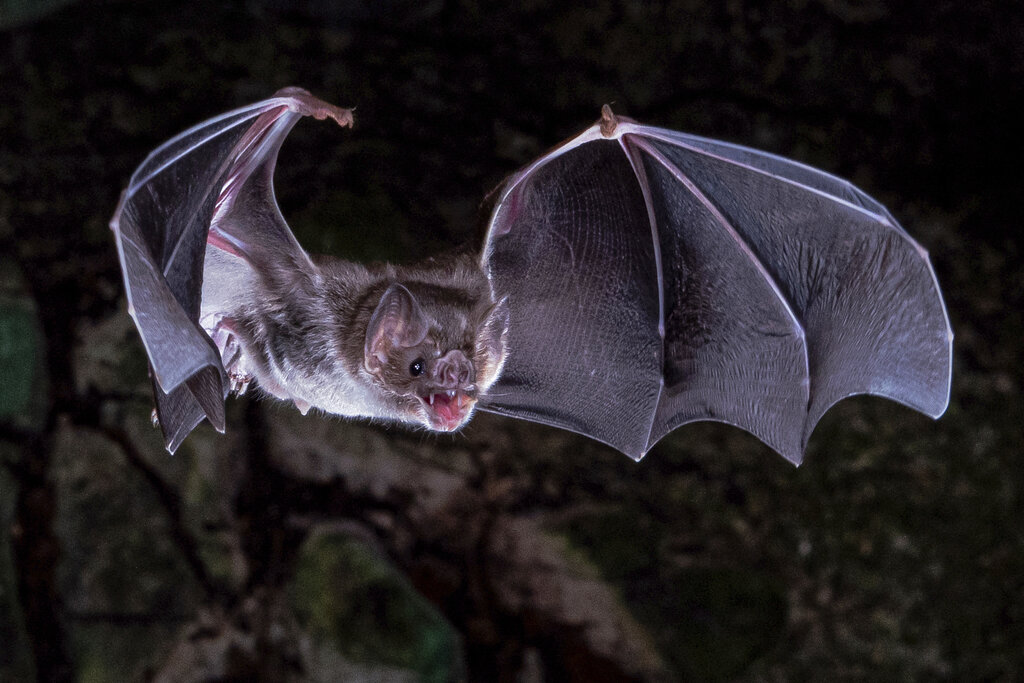
“Vampire bats feed on human blood!” If you’ve ever heard that, it’s actually a myth. The vampire bat feeds mainly on the blood of cattle, horses, and wild mammals such as deer and peccaries. It seldom bites humans.
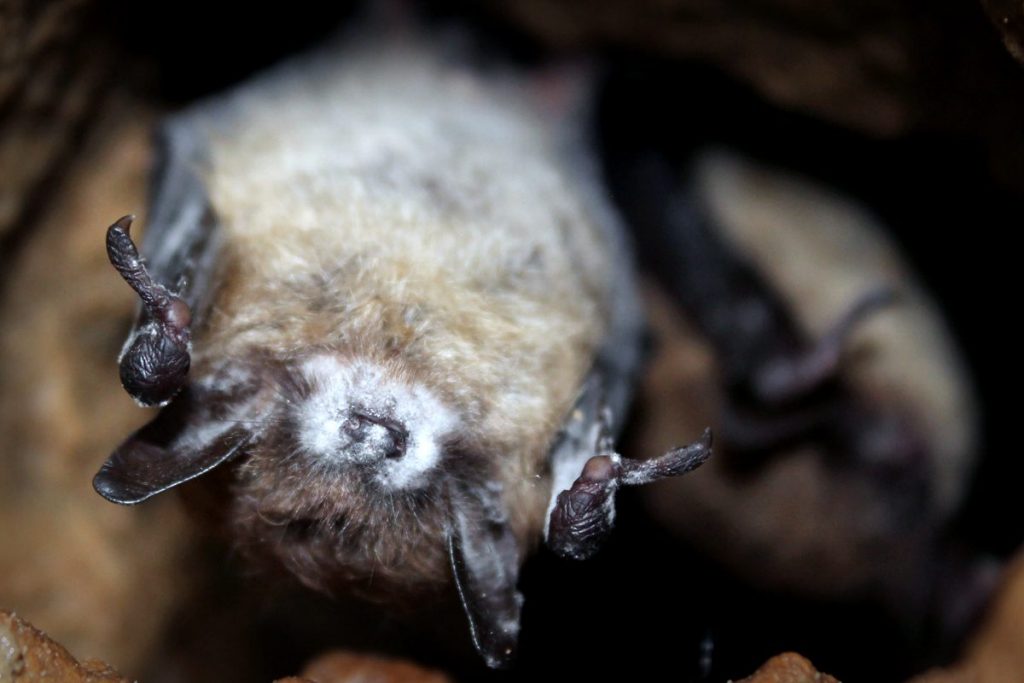
White-nose syndrome is a fungal disease that grows on hibernating bats, causing them to wake up in the winter. The bats then burn up their fat stores while searching for food and die as a result. The disease is one of the biggest threats to bats currently.
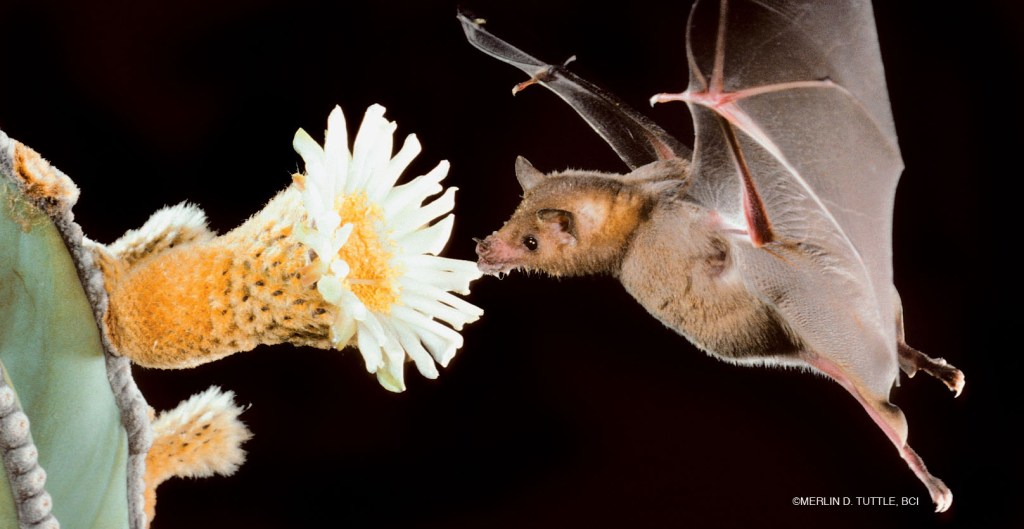
Over 500 plant species rely on bats to pollinate their flowers, including species of mango, banana, durian, guava and agave. So, next time you drink some tequila or eat a mango, say thanks to the bats! The pollination of plants by bats is called chiropterophily.
In addition to loss of habitat, one of the most dire threats comes from white nose syndrome, a disease that has decimated bats in the U.S. and Canada.
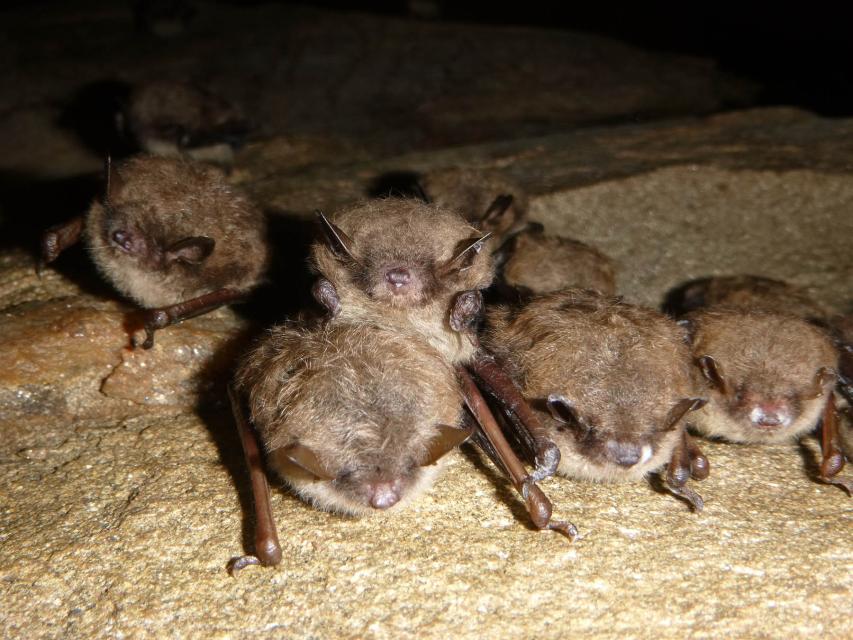
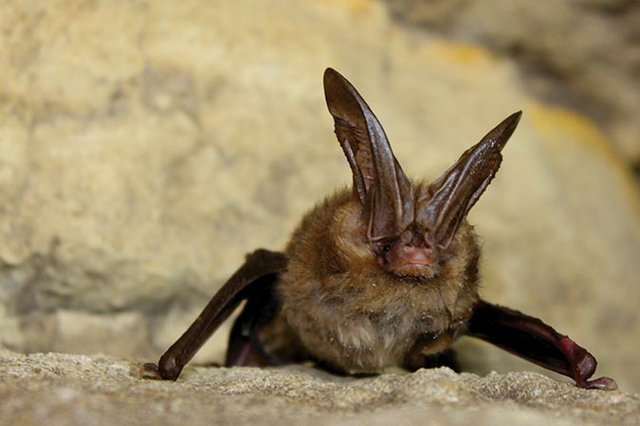
Myth busted? We say yes. Bats are not blind. All bat species are able to see but not all have the same eyesight. Some bat species, like flying foxes have great night vision and species that feed on nectar or pollinate flowers can see ultraviolet light.
 Carolina Bat Conservation